The Art of Cigar Tasting
Unlock a Professional Sensory Experience
Pre-Tasting Preparation
Environmental Requirements:
Well-ventilated and odor-free space (avoid perfume, cooking fumes); temperature maintained at 20-22℃, humidity at 55-65%.
Well-ventilated and odor-free space (avoid perfume, cooking fumes); temperature maintained at 20-22℃, humidity at 55-65%.
Tool Preparation:
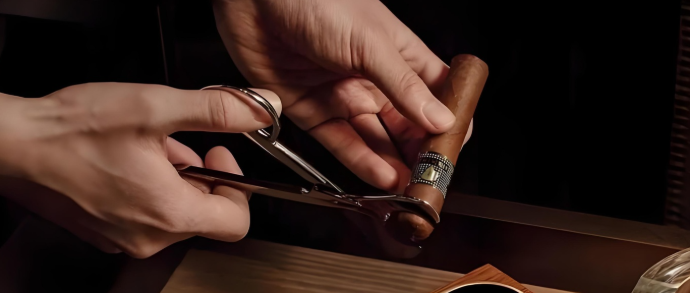
- Cutting Tools: Cigar cutter (V-cut, straight cut – avoid cutting the filler) ; punch cutter (ideal for beginners)
- Ignition Tools: Sulfur-free matches, cedar strips, butane lighters (Gasoline lighters are prohibited as they ruin the flavor)
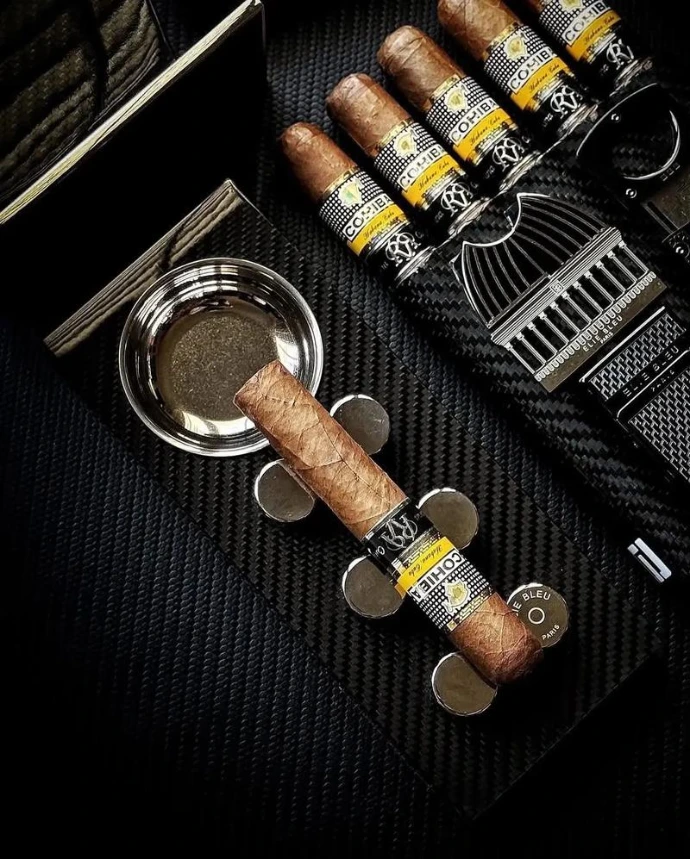
- Auxiliary Tools: Ashtray (with deep trough to prevent ash from falling); tasting glass (brandy/whiskey glass to concentrate aromas)

Four Core Steps of Cigar Tasting
Step 1
Inspect & Sniff (Unlit)
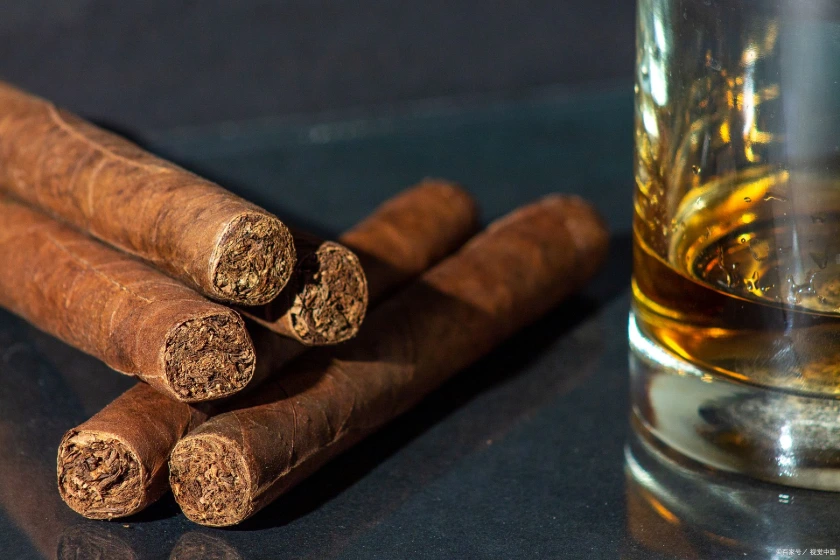
- Visual Inspection: Even, unbroken, oily and glossy wrapper; tightly rolled
- Aroma Sniffing: Bring the cap close and inhale gently to detect naturally fermented notes
Step 2
Cut & Light
- Cutting Technique: Cut 1/4 inch from the cap, keep the cap intact and avoid piercing the filler.
- Lighting Technique: Hold the cigar at an angle, place the flame at a 45° angle to the foot; rotate slowly for even heating. Take 2-3 gentle puffs to ensure full combustion.
Step 3
Puff & Flavor Perception
- Puffing Rhythm: One puff every 30-60 seconds; avoid continuous hard puffs
- Flavor Capture: Taste in three distinct phases
-
-
-
- Taste Dimensions: Aroma intensity, smoothness, finish length, complexity
Step 4
Ash Management & Conclusion
- Ash Management: Keep the ash 1.5-2 inches long; natural ash fall is a mark of even combustion.
- Etiquette for Conclusion: Do not snuff out the cigar – let it extinguish naturally in the ashtray
Cigar Flavor Descriptors
Aroma Categories:
Woody (cedar, oak) | Roasted (coffee, cocoa)
Fruity (berry, citrus) | Spicy (cinnamon, pepper)
Woody (cedar, oak) | Roasted (coffee, cocoa)
Fruity (berry, citrus) | Spicy (cinnamon, pepper)
Taste Qualities:
Smooth, mellow, spicy,
lingering sweetness, fresh & clean

